Seventy vessels passed through the Strait of Hormuz on Wednesday — the highest single-day transit count since the war with Iran began in late February, according to Marine Traffic data. That figure represents a 105% increase from Tuesday.
The spike followed two developments: the United States lifted sanctions on Iranian oil as part of a ceasefire agreement, and the International Maritime Organization (IMO), working with Iran and Oman, established two controlled shipping corridors through the strait — one along the northern edge near Iran, another along the southern edge near Oman. Both were cleared of mines. Ships were contacted directly and moved in sequence.
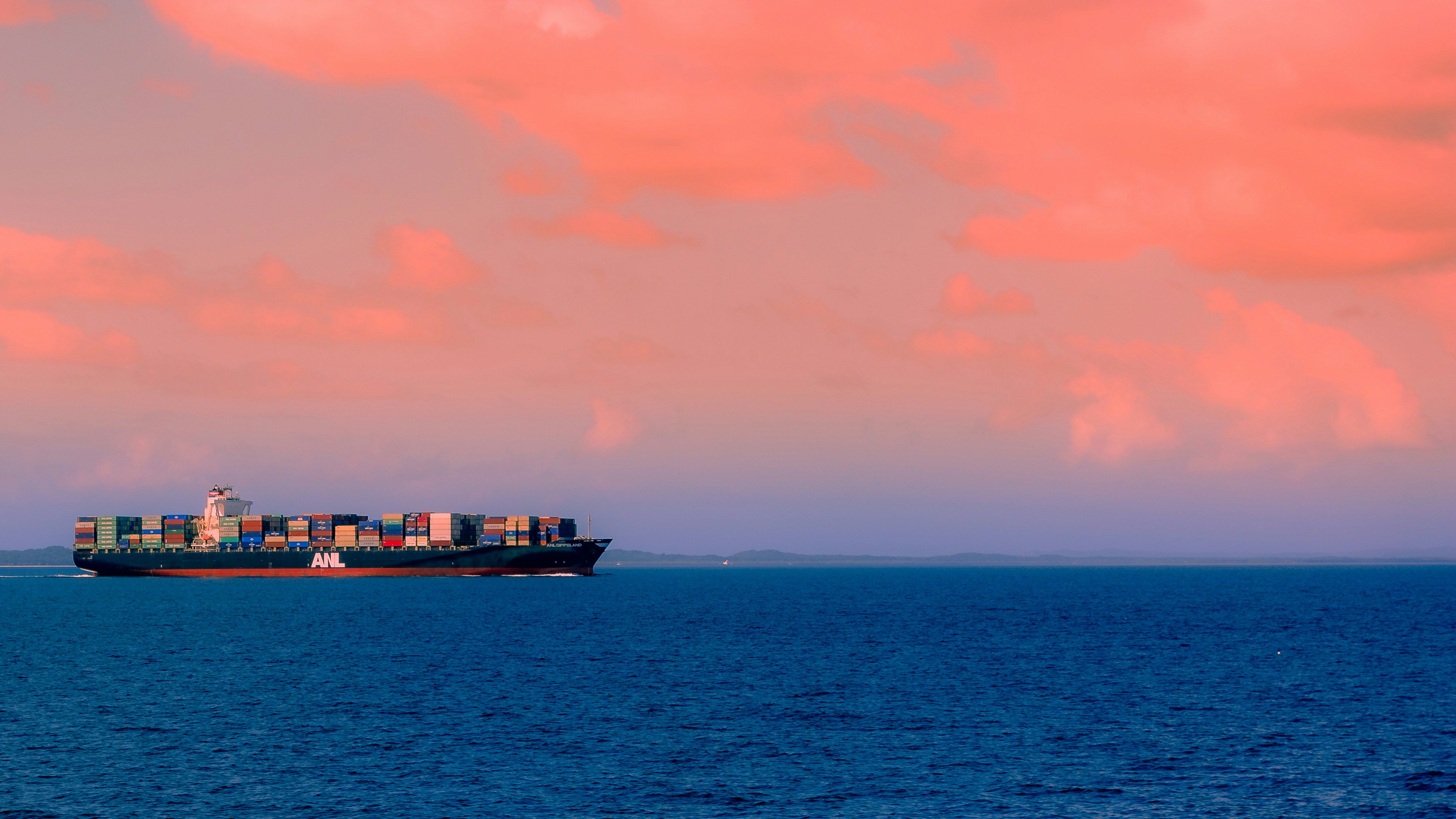
Before the conflict, between 110 and 160 vessels transited the strait daily. At the height of the blockade, that number fell below ten per day.
Evacuation Paused After Thursday Strike
The IMO launched a parallel humanitarian effort to evacuate approximately 11,000 stranded seafarers and 500 vessels that have been anchored in the Gulf since the blockade began.
That effort was suspended Thursday after a vessel was struck in the Gulf of Oman.
IMO Secretary-General Arsenio Dominguez confirmed the pause, noting the attacked ship was not part of the IMO's evacuation framework. He said the organisation would "reconfirm that the necessary safety guarantees continue to be in place for the ships on our evacuation list and all those in the region" before resuming.
Since the conflict began, the IMO has recorded at least 46 strikes on commercial vessels in or near the strait and 14 seafarer deaths.
Major Carriers Have Not Returned
The vessels that moved through the strait this week were predominantly Iranian-flagged ships and a small number of Taiwanese Evergreen vessels.
The major global carriers have not resumed operations.
"The major global carriers haven't returned yet, so it's closer to status quo than a real shift," said Sanne Manders, president of Flexport, a global freight logistics company.
Gene Seroka, executive director of the Port of Los Angeles, who spent five years working in shipping in the Middle East, was direct: "This is not just a full-fledged green flag, everybody start running through the strait."
Both Manders and Seroka said traffic levels are expected to fall in the coming days during the IMO pause.
Insurance Remains the Blocking Factor
Shipping companies require war-risk insurance coverage before moving vessels into a conflict zone. Since fighting began, underwriters have withdrawn coverage on Gulf-bound ships under wartime exclusion clauses.
Until insurers return to the market and price the risk, major fleets will not move — regardless of diplomatic progress on the ground.
Oil and Trade Exposure
The Strait of Hormuz carries approximately 20% of the world's daily oil supply, according to the U.S. Energy Information Administration. It also handles liquefied natural gas exports from Qatar and a significant volume of manufactured goods and raw materials moving between Asia, the Middle East, and Europe.
Shipping companies that rerouted around the Cape of Good Hope to avoid the conflict added between 10 and 14 days to transit times, with corresponding increases in fuel and crew costs.
Oil prices declined earlier this week on ceasefire optimism. See the earlier Strait of Hormuz oil disruption breakdown for how supply shocks from this waterway move through global energy markets — and the oil prices drop to $94 analysis for how markets priced the ceasefire news.
Any further incidents in the strait will delay the timeline for a return to normal shipping volumes.
Sources: Marine Traffic, IMO Secretary-General Arsenio Dominguez statement, U.S. Energy Information Administration, CNN interviews with Sanne Manders (Flexport) and Gene Seroka (Port of Los Angeles).
— WealthBlueprint NewsDesk