
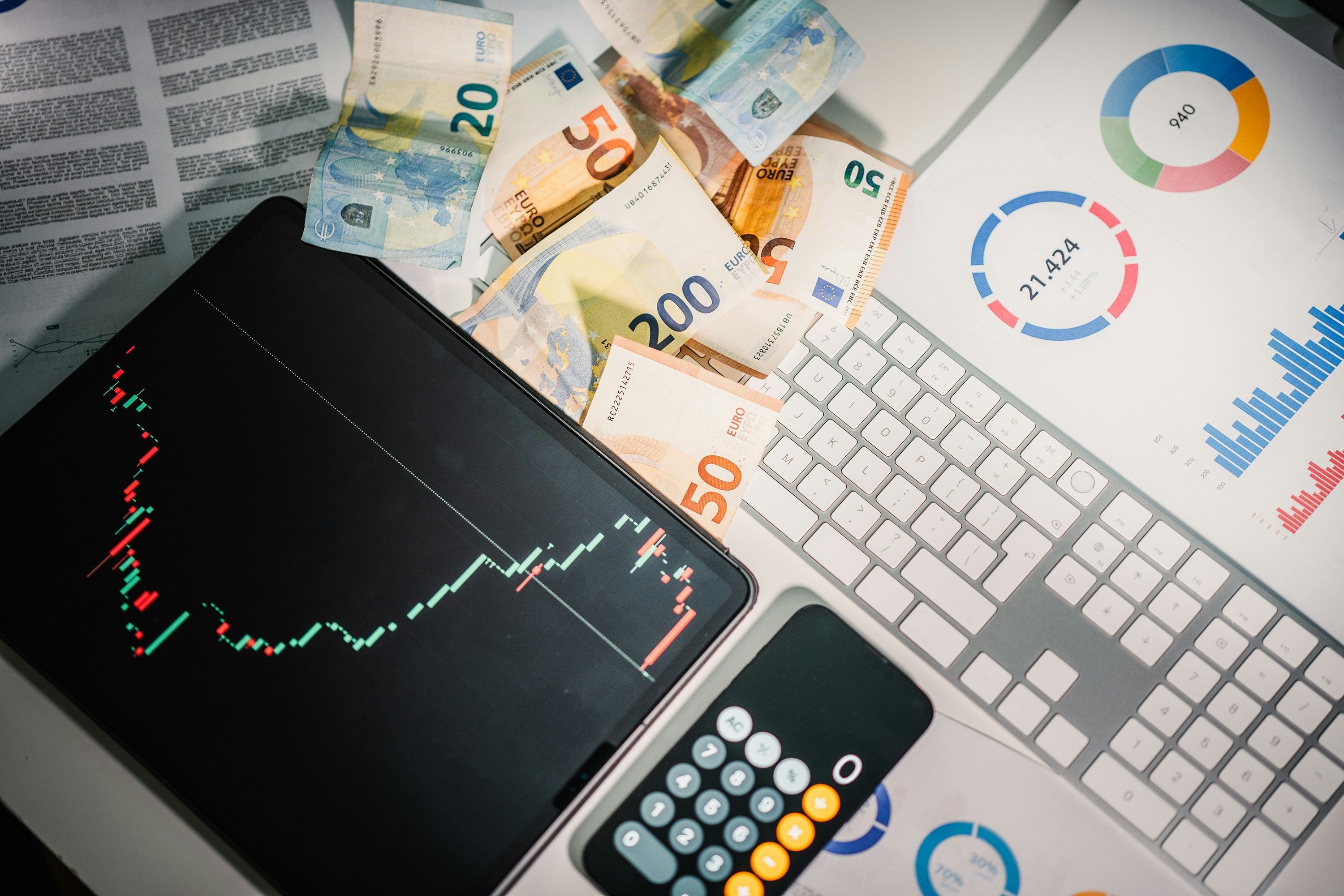
Someone messaged me last week asking exactly this: drop $1,000 into QQQ today, walk away for ten years, what comes back?
Could be life-changing. Could also barely beat inflation.
Both outcomes have happened with this fund before. Both could happen again.
Before going further, worth understanding how QQQ fits into a wider picture first. A piece on how index ETFs actually work breaks down why funds like this exist, and risks tied to single-stock investing explains why spreading money across many companies — which is exactly what QQQ does — feels a lot less stressful than betting everything on one company.
What QQQ Actually Is
QQQ tracks Nasdaq-100. That's roughly 100 of biggest non-financial companies trading on Nasdaq.
Apple, Microsoft, Nvidia, Amazon, Meta, Alphabet, Broadcom — those names make up a big chunk of it.
That tech concentration is what separates QQQ from a broad fund like S&P 500. A comparison of SPY versus VOO and why one has been outperforming covers something similar — small differences in what a fund holds create a surprisingly big gap in returns over years.
When tech does well, QQQ does really well. When tech struggles, QQQ falls harder than broader funds too. That's not a flaw. That's just what concentration buys you — bigger swings in both directions.
So, What Could $1,000 Actually Turn Into?

Let's run real numbers, not vibes.
According to Invesco, QQQ's average annual return since its 1999 launch sits close to 10% — though that number hides a wild ride along its way, including a brutal stretch during dot-com crash where it lost over 80% of its value.
Now zoom into last 10 years specifically. QQQ's annualized return jumps to 17-18%, based on Invesco's own fund performance data.
Run that 10-year figure forward and watch what happens.
| Years Held | At ~10% Annual Return | At ~17% Annual Return |
|---|---|---|
| 5 years | ~$1,610 | ~$2,190 |
| 10 years | ~$2,590 | ~$4,810 |
| 15 years | ~$4,180 | ~$10,540 |
| 20 years | ~$6,730 | ~$23,110 |
That 17% column is what last decade looked like. Eye-catching, right?
Leaning on it too hard creates a problem though: a single decade dominated by a historically rare tech boom isn't a promise for next twenty years.
Why Past Decade Isn't a Crystal Ball
Tech sector had an unusually strong run between 2015 and 2025.
Cheap borrowing costs, pandemic-driven digital adoption, and an AI wave all pushed valuations of biggest QQQ holdings up fast.
J.P. Morgan Asset Management regularly notes something worth remembering: high valuations in growth-heavy indexes tend to correlate with lower forward returns over following decade. Not zero — just lower than what just happened.
Putting $1,000 into QQQ today isn't betting on a repeat of last 10 years. It's betting on next 10 years, and no one — not me, not your favorite finance YouTuber, not Wall Street — actually knows what those look like.
A Quick Reality Check on Volatility
QQQ doesn't move in a straight line. Pretending otherwise sets up bad expectations.
During 2008 financial crisis, QQQ fell more than 40%. During early 2022, it dropped over 30% in a few months as interest rates climbed.
"Risk comes from not knowing what you're doing." — Warren Buffett
That quote fits perfectly. A $1,000 investment worth $600 a year later isn't a sign something's broken — it's just what owning growth stocks looks like sometimes.
A breakdown of different types of investment risk and real examples goes deeper, including a concept called unsystematic risk — though QQQ's bigger exposure leans toward market-wide swings rather than single-company drama, given its 100-stock spread.
How $1,000 Compares to Doing Nothing
That number above is worth sitting with for a second.
Bureau of Labor Statistics data shows average annual inflation in US ran around 4-5% in several years between 2020 and 2025.
$1,000 sitting in a checking account earning near-zero interest loses buying power every single year. Quietly. Without you noticing.
Even a conservative QQQ outcome — say 6-7% annualized over a rough decade — still beats cash sitting idle once inflation eats into it.
A look at low expense ratio money market funds shows what safer, lower-return options look like for comparison. They land well below QQQ's long-term average, just with way less drama along their way too.
What Actually Determines Outcome
Three things decide whether $1,000 in QQQ today becomes something meaningful or stays roughly flat.
Time horizon matters more than entry timing — a lot more, actually. A study referenced by Fidelity found that staying invested through downturns historically beat trying to time entries and exits. Missing just a handful of best days in a decade can wreck total returns.
Whether dividends get reinvested matters too, even though QQQ pays a small one. A look at how Vanguard index fund dividends work in practice explains why automatic reinvestment compounds quietly over years, even in a fund known more for growth than income.
And whether more money gets added regularly changes everything. $1,000 alone growing for 20 years is one story. $1,000 plus $100 added monthly is a completely different story.
What If $1,000 Was Just a Starting Point?
This is where math gets genuinely exciting — and where a lot of online projections quietly stop showing numbers, because numbers below are bigger than what gets you to click an ad.
Add $100 monthly to that initial $1,000, at a moderate 10% average return over 20 years, and total contributions reach roughly $25,000. Compounding could push final value past $70,000, depending on sequence of returns.
A piece on turning $10,000 into $100,000 walks through similar compounding math with bigger starting numbers, and how much someone investing at 18 could end up with by retirement shows just how powerful early starts become over multiple decades.
Where QQQ Fits for a Beginner
QQQ isn't a bad starting point. But it shouldn't be only one.
Concentration in roughly 100 tech-heavy companies means QQQ swings harder than a total market fund. Worth repeating because it's easy to forget during a good run — and good runs are exactly when people forget.
A guide on best stocks for beginners with little money covers where QQQ sits alongside broader options. And for younger readers, can a 15-year-old invest in stocks lays out account types that make starting early possible even before adulthood.
| Approach | Risk Level | Typical Long-Term Return | Best Suited For | Rating |
|---|---|---|---|---|
| Cash savings | Very low | 0.5-4% | Emergency funds | ⭐⭐ |
| Broad index fund (VOO/SPY) | Moderate | ~10% historical | General long-term investing | ⭐⭐⭐⭐⭐ |
| QQQ (Nasdaq-100) | Moderate-high | ~10-17% (varies wildly by decade) | Growth-focused, longer horizons | ⭐⭐⭐⭐ |
| Single stock picks | High | Highly variable | Experienced, risk-tolerant investors | ⭐⭐ |
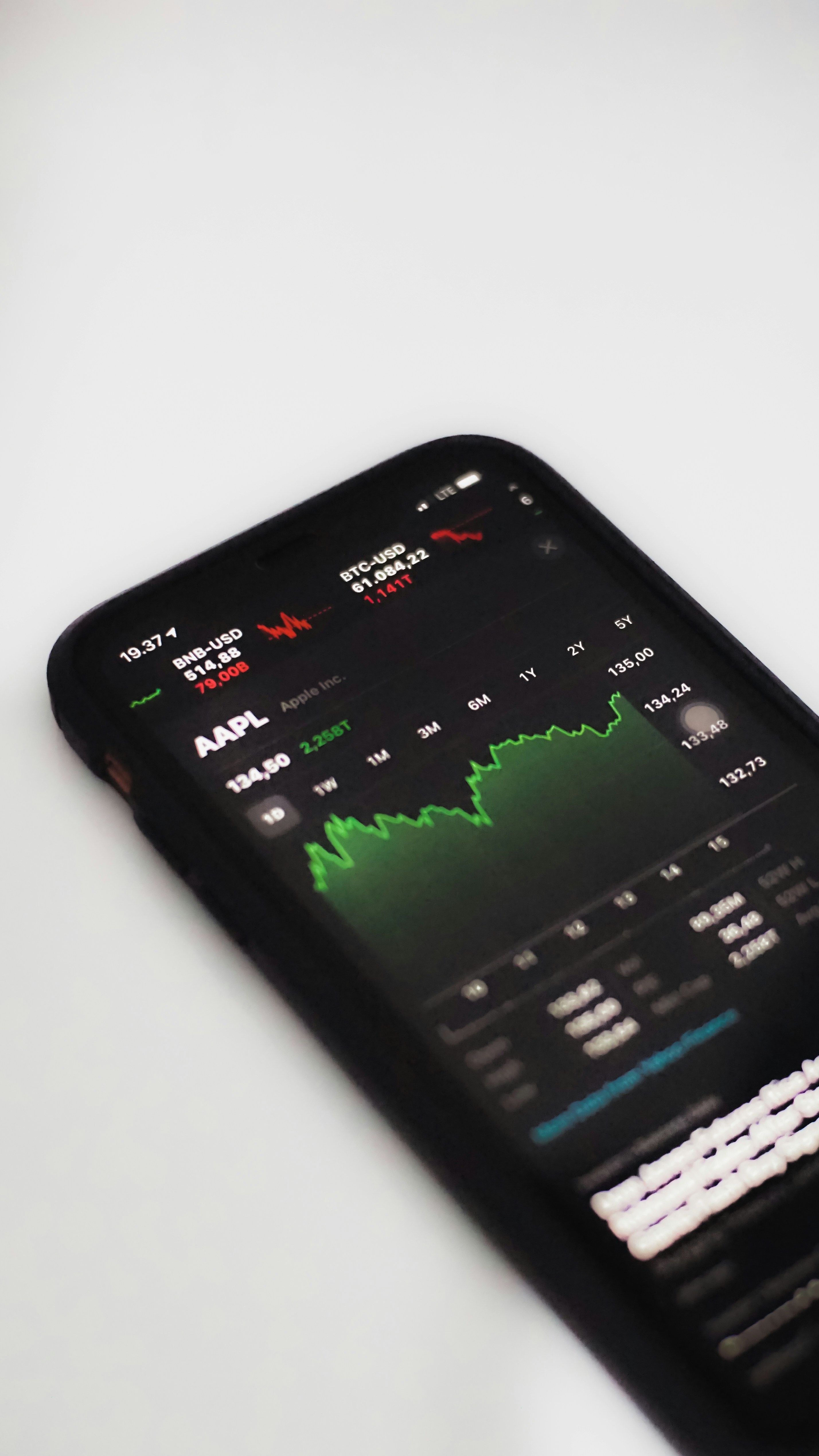
Putting $1,000 on a Chart
My Honest Take
Putting $1,000 into QQQ isn't reckless. I'd never call it that.
It's a concentrated bet on tech continuing to lead, and that bet paid off massively over last decade.
But expecting another 17% decade as a baseline sets up real disappointment — and that disappointment won't be QQQ's fault. It'll be a math problem dressed up as a fund problem.
If it were my money? A broad market fund as a core holding, with a smaller QQQ slice for growth tilt. Best of both — smoother ride, still upside.
For readers building dollar exposure through platforms like Bamboo or Risevest, QQQ shows up often as an option, precisely because of its strong recent track record. Just go in knowing how concentrated it really is. That track record can flip directions just as fast as it built up.
Numbers above are projections based on historical averages and aren't guarantees of future performance. QQQ, like any equity investment, can lose significant value over short and medium periods.
Also on WealthBlueprint:
A few related reads worth your time:
- How index ETFs work, explained simply
- Can VOO make you a millionaire?
- SPY vs VOO — why one has been outperforming
- Risks of single-stock investing
- How much to invest at 18 to become a millionaire


Comments (0)
No comments yet.