
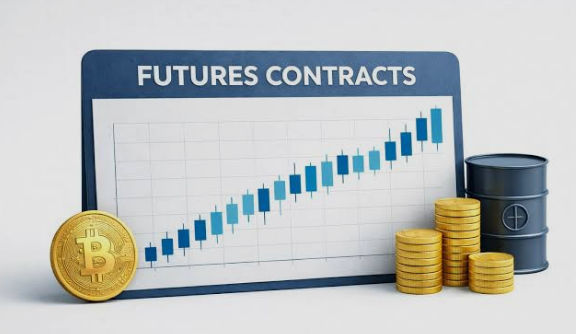
Futures contracts let you trade everything from oil and gold to S&P 500 index futures, often with way less capital than buying assets outright.
That word "less" is doing heavy lifting. Leverage cuts both directions — gains and losses scale together, and losses can exceed what you deposited.
Platform choice matters in this decision. So does going in with eyes open about what futures involve underneath.
If you're newer to investing concepts overall, types of risks in investment with examples covers ground worth knowing before futures specifically. And if you've ever wondered what happens when a leveraged position goes badly wrong, if a stock goes negative do you owe money answers that directly.
What Makes Futures Different From Stocks?
Stocks represent ownership in a company. Futures are contracts — agreements to buy or sell an asset at a set price on a future date.
Margin requirements for futures often sit far below full contract value, sometimes around 13% depending on broker and contract type.
That margin structure is exactly why leverage works both ways so sharply. Small price moves against your position can trigger margin calls fast.
Best Futures Trading Platforms in US: Quick Comparison

| Platform | Fee Per Contract | Min. Deposit | Best For | Rating |
|---|---|---|---|---|
| Webull | ~$0.25 (micro) / ~$1.25 (standard) | $0 | Beginners, mobile-first | ⭐⭐⭐⭐ |
| E*TRADE | ~$1.50 | None imposed | Research tools, established broker | ⭐⭐⭐⭐ |
| Interactive Brokers | Very low (varies) | Varies | Active, cost-conscious traders | ⭐⭐⭐⭐ |
| NinjaTrader | Competitive | Varies | Charting and strategy automation | ⭐⭐⭐⭐⭐ |
| tastytrade | Competitive | Varies | Options-to-futures crossover traders | ⭐⭐⭐⭐ |
| Charles Schwab | $2.25 flat | $0 | Wide contract selection, crypto futures | ⭐⭐⭐⭐ |
| AMP Futures | Competitive | Varies | Pure futures specialists | ⭐⭐⭐⭐ |
Numbers shift constantly — confirm current pricing directly on each platform before funding anything.
NinjaTrader: Built Specifically for Futures
NinjaTrader carves out a niche as a platform designed around futures from ground up, rather than bolted onto a general brokerage.
Charting tools, strategy automation, and backtesting capability stand out compared to general-purpose platforms.
Service fees can run higher than rivals, so weigh that against feature depth if you're someone who'll use advanced charting daily for real.
E*TRADE: Research-Heavy, Established Name
E*TRADE, founded back in 1982 and now under Morgan Stanley, offers futures access on CME, ICE US, and CFE exchanges.
Its Futures Research Center pulls insight from experienced futures professionals — useful if you want context behind price moves, not just raw charts.
Per-contract fee sits around $1.50, with no E*TRADE-imposed minimum deposit beyond what margin requirements demand.
Webull: Low Cost, Mobile-First
Webull keeps commissions notably low — around $0.25 per micro contract and roughly $1.25 for standard contracts.
Zero account minimum and a clean mobile interface make it approachable for someone testing futures with smaller positions first.
Premium subscription tiers shave a bit more off per-contract costs if you're trading frequently enough to justify monthly fee.
Interactive Brokers: Low Fees, Wide Access
Interactive Brokers consistently ranks among lowest-fee options for active futures traders, alongside an enormous range of tradable contracts globally.
Margin requirements on certain contracts run higher than competitors, though — worth checking specific products you're targeting before assuming "low fees" means "low capital needed."
Platform complexity leans toward experienced traders rather than absolute beginners.
Charles Schwab: Broad Selection Including Crypto Futures
Schwab uses a flat $2.25 per-contract fee, identical whether placed online or by phone — simple, if not cheapest.
Over 120 futures products available, including Micro E-mini S&P 500 contracts and a notably wide crypto futures lineup — Bitcoin, Ether, Solana, Ripple, and their micro versions.
Zero minimum deposit and no maintenance fees round out a setup that's flexible even for occasional traders.
tastytrade and AMP Futures: Specialist Options
tastytrade brings options-trading background into futures, appealing if you already trade options and want overlap in tools and strategy thinking.

AMP Futures focuses purely on futures — competitive transaction fees and research tools, though service fees can run on higher side.
Both fit traders who know specifically what they want rather than someone exploring futures for first time.
What "Best" Depends On
No single platform wins across every category — fees, tools, contract selection, and account minimums all pull in different directions depending on provider.
Someone trading micro contracts occasionally cares about different things than someone running automated strategies across dozens of contracts daily.
Match platform to your actual trading pattern, not to whichever name shows up first in a "best of" list.
Risk: What You Need to Sit With Before Funding Anything
Leverage means small price moves create outsized gains or losses relative to capital you put up.
Unlike buying a stock outright, futures positions can lose more than your initial deposit — brokers issue margin calls requiring additional funds, sometimes on short notice.
"80% of retail CFD accounts lose money." — standard regulatory disclosure required across CFD and leveraged-product platforms
That statistic isn't unique to one broker — it reflects how leveraged products perform for typical retail accounts across industry broadly.
Before You Open Any Account
Confirm broker regulation through CFTC and NFA — both oversee futures brokers operating in US, and registration status is checkable directly through their databases.
Paper trading (simulated, no real money) lets you test a platform's interface and your own strategy without risking capital first.
Start with micro contracts if available. Smaller contract sizes mean smaller swings while you're still learning platform mechanics and your own reactions under pressure.
How Futures Fit Into a Bigger Picture
Futures sit on far riskier end of investing spectrum compared to index funds or long-term holdings.
If core portion of your money sits in something like an S&P 500 index fund, S&P 500 or total market: which fund wins long term covers that foundation — futures, if you choose them, should sit separate from money you can't afford volatility on.
For broader context on how concentrated, leveraged positions compare against diversified holdings, risks of single stock investing walks through related ground.
A Story Worth Reading Before You Start
Plenty of traders enter futures expecting quick wins and exit having lost far more than planned.
How traders lose $50,000 starting with $1,000 in options covers a related leveraged-product cautionary tale — options aren't futures, but psychology and leverage dynamics overlap heavily.
That story exists for a reason. Worth reading slowly, not skimming.
If You're Still Building Your Foundation
Futures make more sense once core financial habits — emergency fund, manageable debt, consistent investing in lower-risk vehicles — sit solidly in place first.
How to budget for beginners and how to get out of debt fast cover ground that, frankly, shapes financial outcomes more than which futures platform anyone ends up picking.
Where Does This Leave You?
Platform choice matters less than honest self-assessment about whether leveraged trading fits your current financial situation and risk tolerance.
If answer is yes, start small, use paper trading first, and pick a platform matching your actual trading style — Webull or E*TRADE for approachable starts, NinjaTrader or Interactive Brokers for advanced tooling.
If answer feels uncertain, that uncertainty is information too. No platform fixes a strategy that isn't ready yet.
These connect to risk management and building toward bigger trading decisions:
- Types of risks in investment with examples
- Unsystematic risk explained
- If a stock goes negative, do you owe money?
- Best stocks for beginners with little money
- How to turn $10,000 into $100,000


Comments (0)
No comments yet.