Nigeria has the gas. What it has lacked — for decades — is the infrastructure to turn that gas into industrial power.
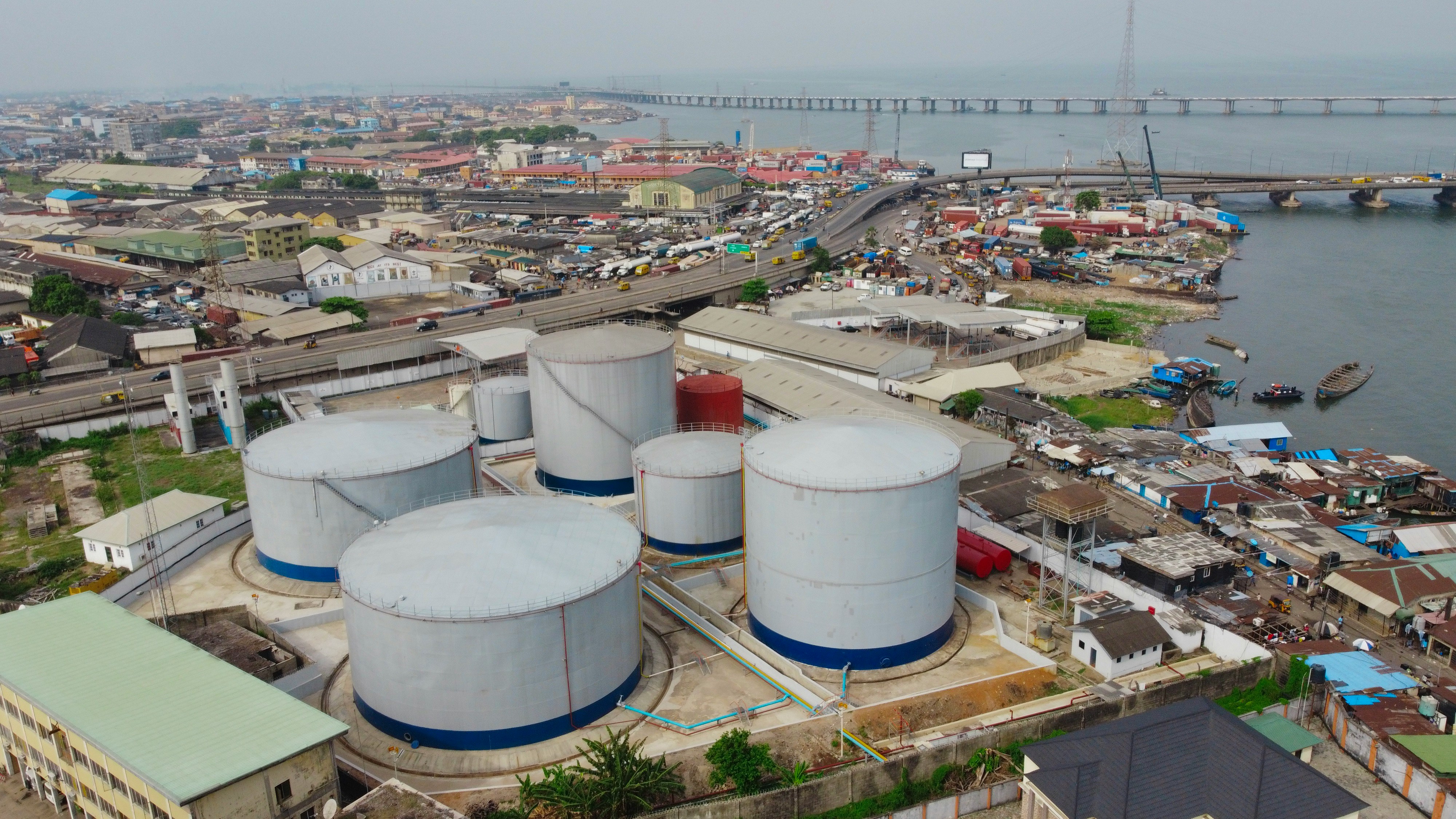
That was the central message from Shell Nigeria Gas (SNG) at the second business forum of the Association of Local Distributors of Gas (ALDG) in Abuja this week.
The Core Argument
SNG Managing Director Ralph Gbobo, represented by Head of Gas Distribution Chukwuka Amos-Ejesi, told the forum that expanding pipeline networks and strengthening the market-making roles of gas distributors are the two levers that can convert Nigeria's gas abundance into genuine industrial output.
Sustained investment in distribution infrastructure over the past two decades, he said, has already begun to shift gas from a policy aspiration into a practical energy solution for industries across the country.
The Agbara–Ota Lesson
Gbobo pointed to SNG's early operations in the Agbara–Ota industrial corridor as proof that long-term infrastructure bets pay off — even when initial conditions are uncertain.
"When SNG started in Agbara–Ota over 20 years ago, demand was nowhere near what it is today. The economics was not perfect, but there was a leap of faith anchored on Nigeria's industrialisation trajectory. That decision has proven right."
— Ralph Gbobo, MD, Shell Nigeria Gas
The lesson: infrastructure built ahead of demand creates the conditions for demand to grow into it.
What Makes a Gas Ecosystem Bankable
Gbobo outlined a four-part framework that, when aligned, builds the kind of industrial clusters capable of attracting long-term investment.
| Factor | What It Means in Practice |
|---|---|
| Demand Ambition | Industries willing to commit to gas offtake |
| Supply Certainty | Reliable, contracted gas volumes |
| Enabling Infrastructure | Pipelines that actually reach industrial zones |
| Commercial Clarity | Transparent pricing and enforceable contracts |
"Sustainability and bankability emerge over time, as utilisation deepens and confidence builds."
— Ralph Gbobo, SNG
Policy Reform Is Working — But More Is Needed
Gbobo acknowledged that recent policy reforms have meaningfully strengthened investor confidence and reduced regulatory uncertainty in the domestic gas market.
Forum participants echoed this, stressing the need for clear, credible, and supportive policy frameworks to attract the capital the sector still needs.
The forum's theme — "From Gas Abundance to Gas Access: Reassessing Nigeria's Gas Distribution Imperatives" — captured the paradox Nigeria has lived with for years.
The country has the reserves. The access remains broken.
Why This Matters Beyond Energy
Gas access is not just an energy story — it is a manufacturing competitiveness story.
Industries that cannot access affordable gas face higher production costs, lower output, and reduced ability to compete regionally and globally.
For entrepreneurs and investors tracking Nigeria's industrial opportunity, our side hustle and business ideas for Nigeria guide outlines sectors where energy access directly determines profitability.
Broader infrastructure development also ties directly into how Nigeria attracts and retains capital. Our business funding guide explores how businesses can position themselves ahead of infrastructure-led growth cycles.
According to a Nigerian Upstream Petroleum Regulatory Commission (NUPRC) report, Nigeria holds over 206 trillion cubic feet of proven gas reserves — the largest on the African continent.
A Reuters analysis of West African energy markets noted that less than 15 per cent of Nigeria's domestic gas potential is currently being monetised through industrial distribution networks.
Reported by the WealthBlueprint NewsDesk. Information sourced from the ALDG Business Forum, Abuja, and verified industry data.