Global airlines are heading into one of their most bruising financial years in recent memory — and passengers will feel it at checkout.
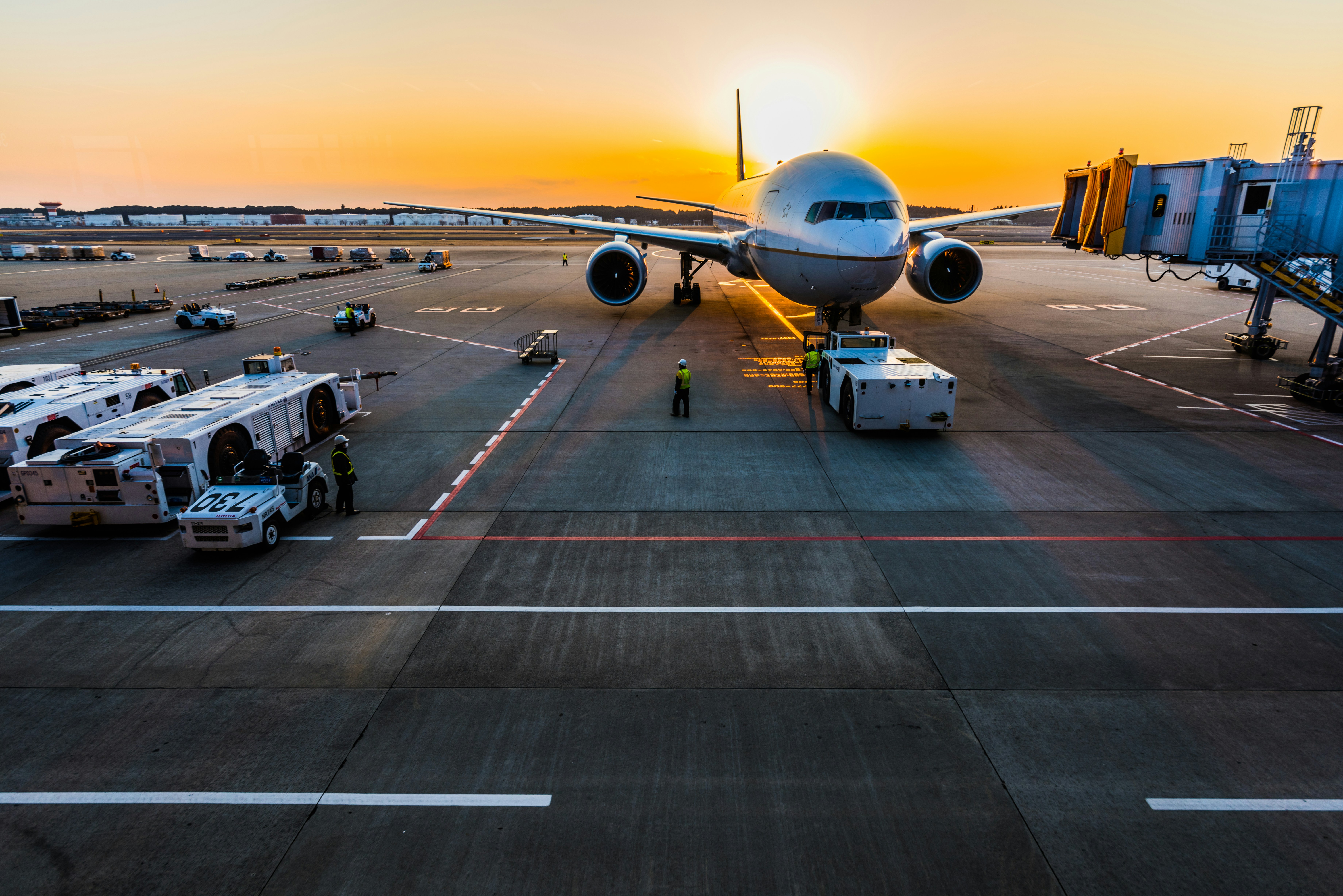
The International Air Transport Association (IATA) has slashed its 2026 profit forecast for the global airline industry to $23 billion — down from an estimated $45 billion in 2025.
That is a 49 per cent collapse in earnings in a single year.
What Is Driving the Crash
IATA Director-General Willie Walsh pointed squarely at two culprits: the ongoing Middle East conflict and a catastrophic surge in jet fuel prices.
Jet fuel — the single largest cost in aviation — is expected to rise from $90 per barrel in 2025 to $152 per barrel in 2026.
That is a 70 per cent increase in one year, adding an estimated $100 billion to the industry's collective fuel bill.
The Numbers at a Glance
| Metric | 2025 | 2026 Forecast |
|---|---|---|
| Net Profit | $45 billion | $23 billion |
| Net Profit Margin | 3.9% | 2.0% |
| Profit Per Passenger | $9.10 | $4.50 |
| Operating Profit | $76.4 billion | $48 billion |
| Net Operating Margin | 7.2% | 4.1% |
| Return on Invested Capital | 6.6% | 4.3% |
| Passenger Numbers | ~4.98 billion | 5.1 billion |
| Total Revenue | $1.065 trillion | $1.165 trillion |
Revenue is actually growing — up 9.4 per cent to $1.165 trillion — but costs are eating every dollar of that gain and more.
Seats Are Full — Margins Are Thin
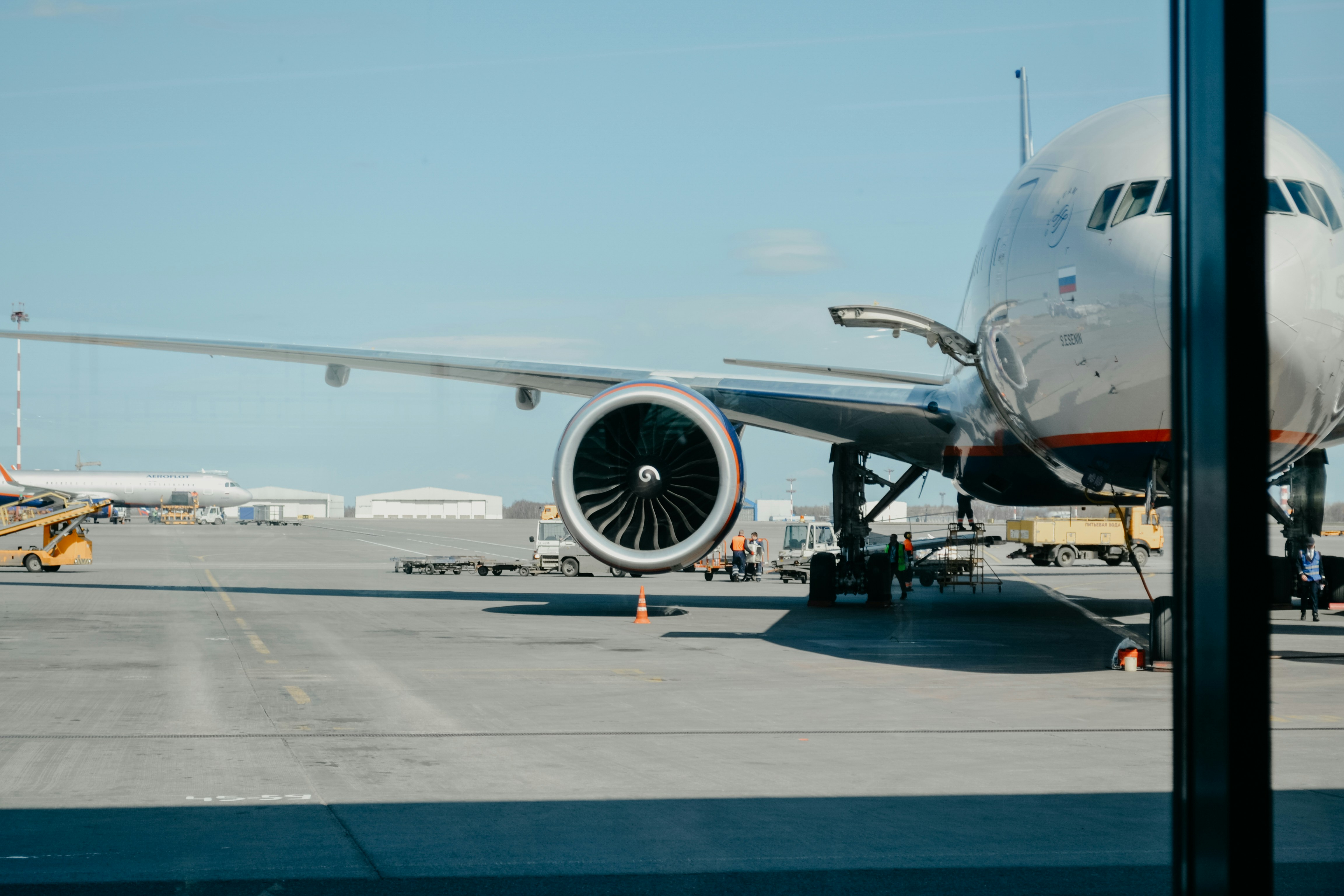
Passenger load factors are forecast to hit a record 84 per cent in 2026, up from 83.5 per cent in 2025.
Airlines are flying more people than ever — but earning less per head.
Net profit per passenger is expected to fall to just $4.50, compared to $9.10 in 2025.
Return on invested capital sits at 4.3 per cent — well below the 8.5 per cent weighted average cost of capital the industry requires to justify its investments.
Africa: The Quiet Winner
While global carriers bleed, African hub airlines are seeing an unexpected tailwind.
As international routes increasingly bypass the Middle East conflict zone, traffic is being rerouted through African hubs — creating fresh revenue opportunities for carriers with strong Africa-Europe-Asia connections.
IATA confirmed that Africa's major hub airlines are experiencing strong passenger traffic growth as a direct result of this rerouting.
However, Walsh cautioned that the financial upside is unlikely to be evenly shared.
"The region's profitability is expected to weaken as a result of cost-side vulnerabilities, particularly regarding the supply and price of fuel."
— Willie Walsh, IATA Director-General
Fragmented operators across the continent are expected to struggle under rising costs, while benefits concentrate among a handful of established hub carriers.

Africa's Structural Problem Has Not Gone Away
IATA identified deep structural challenges that continue to limit the continent's aviation potential.
Weak infrastructure, fragmented airspace management, and limited cross-border coordination remain the biggest drag on network efficiency — and they push operating costs higher for every carrier on the continent.
"Structural constraints continue. Weak infrastructure, fragmented airspace, and limited cross-border coordination reduce network efficiency and raise operating costs."
— Willie Walsh, IATA
What This Means for Travellers
Airlines absorbing a $100 billion fuel bill will not do so quietly.
Fare hikes — especially on long-haul and business class routes — are widely expected in the second half of 2026.
For travellers and investors watching how energy market shocks flow through to consumer spending, our oil prices and Strait of Hormuz disruption guide provides essential background on how the Middle East conflict is reshaping global commodity costs.
Investors tracking how these macro shifts affect portfolio strategy can also explore our real estate vs stocks beginners guide — because when airlines underperform, capital tends to rotate.
According to the IATA June 2026 Industry Outlook, the aviation sector's return on invested capital has fallen below its cost of capital for the first time since the post-COVID recovery.
A Reuters report on global aviation costs noted that fuel now accounts for over 30 per cent of total airline operating expenses in 2026 — the highest share in over a decade.
Reported by the WealthBlueprint NewsDesk. Financial data sourced from IATA's June 2026 Industry Financial Outlook and verified industry reports.